What Every Jewelry Retailer Should Know About Choosing a Jewelry Store WordPress Theme

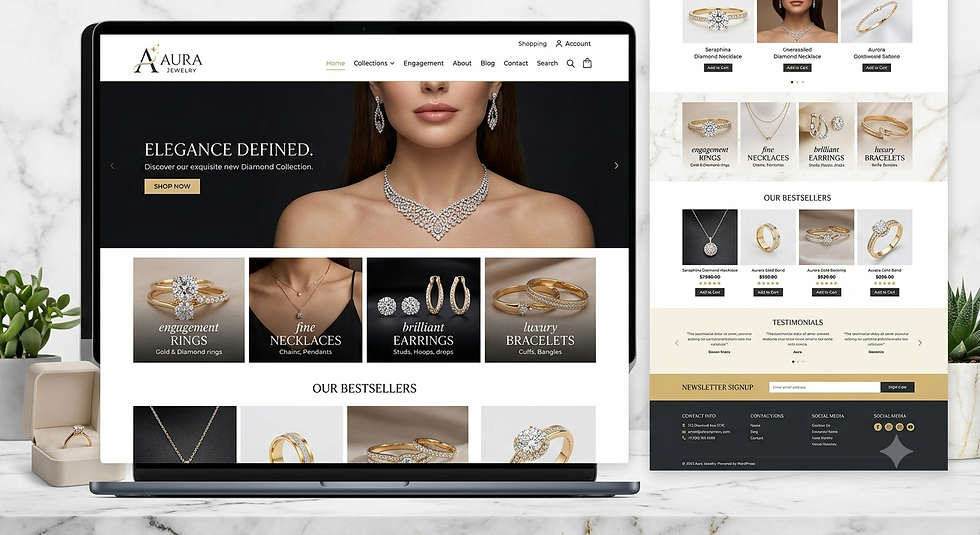
Most jewelry retailers researching WordPress themes end up focused on the same handful of obvious things: does it look nice, does it have a gallery, can it handle an online store? Those things matter, sure, but they're really just the surface level of what actually determines whether a theme serves your business well for years or quietly becomes a source of frustration within a few months. Choosing the right Jewelry Store WordPress Theme involves looking beyond appearance to factors like performance, WooCommerce compatibility, mobile responsiveness, SEO optimization, customization flexibility, and long-term support. By evaluating these essential features, you can select a Jewellery Store WordPress Theme that not only looks impressive but also supports sustainable business growth and delivers a better shopping experience.
This isn't a feature checklist, it's more about the practical realities and blind spots that jewelry retailers specifically run into during the selection process, the kind of things nobody really tells you until you've already made a mistake or two.
The Assumption That All Themes Handle Jewelry the Same Way
One of the biggest misconceptions retailers have is assuming that any decent-looking e-commerce theme will handle jewelry products adequately, when the reality is quite different.
Jewelry Has Unusual Product Structure Requirements
Unlike a t-shirt with a simple size and color variation, a single ring design might need combinations of metal type, stone choice, and size, sometimes affecting price in ways that aren't purely additive. Many themes simply weren't built with this kind of layered complexity in mind.
Retailers Often Discover This Too Late
It's common for a retailer to purchase a theme, start adding products, and only then realize the variation system can't cleanly handle their actual catalogue structure, forcing awkward workarounds or a frustrating switch to a different theme.
Questions Retailers Should Ask Before Committing
Rather than just browsing demos, there are specific practical questions worth answering before finalizing a theme choice.
Can It Actually Handle My Specific Product Complexity?
Before committing, map out one of your more complicated products, with all its variations and pricing differences, and confirm the theme can genuinely support that structure without requiring extensive custom coding.
What Happens as My Catalog Grows Significantly?
Ask specifically how the theme performs with a large number of products, since some themes that feel snappy with twenty demo products slow down considerably once you're managing several hundred real listings.
How Well Does It Integrate With My Existing Tools?
If you already use specific inventory management, accounting, or shipping tools, confirm compatibility upfront rather than assuming integration will work smoothly after purchase.
Common Blind Spots Retailers Overlook
Beyond the obvious features, there are specific areas where retailers frequently get caught off guard after committing to a theme.
Underestimating Photography Requirements
Jewelry photography, especially with zoom and multiple angles, requires significant image storage and optimization. Some themes handle this poorly, leading to slow loading times once real, high-quality photography is uploaded at scale.
Overlooking Customization Workflow Needs
If you offer engraving, custom sizing, or bespoke design requests, retailers often don't consider until later how clunky or seamless the actual backend process will be for managing these custom orders through the chosen theme.
Ignoring How Support Requests Will Actually Be Handled
Many retailers don't think to test the developer's actual support responsiveness before purchasing, only discovering how slow or unhelpful it is once they run into a real problem after their site is already live.
Financial Considerations Retailers Often Miss
The Real Cost Beyond the Initial Theme Price
Retailers frequently underestimate the total cost, forgetting to factor in necessary plugins, ongoing developer support, or eventual redesign costs if the theme doesn't scale well with their growing business.
Hidden Costs of Poor Initial Choices
Choosing based purely on the lowest upfront price can end up costing significantly more later, through lost sales from poor performance, or the expense of migrating to a better theme after outgrowing the original choice.
Weighing Premium Options Against Long-Term Savings
While premium jewelry-specific themes cost more initially, they often include features that would otherwise require expensive custom development, making them more cost-effective over the business's full lifespan.
Technical Considerations That Retailers Should Understand
Not All Themes Are Equally SEO-Friendly
Retailers sometimes assume all themes perform similarly in search rankings, when in reality, code quality and structure vary significantly between themes, directly affecting how easily customers find your store organically.
Security Standards Vary Significantly
Given the high value of jewelry transactions, retailers should specifically verify a theme's security track record and compatibility with proper payment security standards, rather than assuming all themes handle this equally well.
Mobile Performance Isn't Guaranteed by "Responsive" Labels
Just because a theme is labelled responsive doesn't mean it performs smoothly on mobile once loaded with real jewelry photography and variation options, so actual testing matters more than marketing claims.
Practical Steps for Testing Before Committing
Load Real Product Data Into the Demo
Rather than relying on the polished demo content, retailers should test the theme using a handful of their actual, most complex products to see how it genuinely performs with real-world data.
Test the Full Purchase Journey Yourself
Walk through the entire process as a customer would, searching, filtering, viewing a product, adding customization options, and completing checkout, to catch friction points before your customers do.
Seek Feedback From Other Jewelry Sellers Specifically
General theme reviews don't always reveal jewelry-specific issues, so seeking out feedback from other jewelry retailers who've used the same theme provides much more relevant insight.
Long-Term Relationship With Your Theme Developer
Understanding the Update and Support Cycle
Retailers should research how frequently a theme receives updates and how the developer has historically handled bug fixes or compatibility issues with new WordPress versions.
Community and Documentation Quality
A theme with active user communities or thorough documentation tends to be easier to troubleshoot independently, reducing your reliance on slow support tickets for minor issues.
Considering the Developer's Track Record With Similar Businesses
Checking whether the developer has a history of successfully supporting other jewellery or luxury retail businesses specifically can indicate how well they understand this industry's particular needs.
Preparing Your Business Before Choosing a Theme
Documenting Your Actual Product Complexity First
Before browsing themes at all, retailers benefit from clearly documenting their most complex product structures, so they know exactly what capability to look for during evaluation.
Understanding Your Growth Trajectory
Having a realistic sense of how much your catalog and traffic might grow over the next few years helps you choose a theme with appropriate scalability from the start, rather than needing to switch later.
Involving Staff Who Manage Daily Operations
Since staff members who handle inventory updates or customer orders daily will interact with the backend regularly, involving them in the evaluation process often surfaces practical concerns that owners alone might overlook.
Avoiding the Most Common Regret Among Jewellery Retailers
Choosing Purely Based on Visual Appeal Without Deeper Testing
The single most common regret retailers report is picking a theme that looked great in the demo but couldn't actually handle their real operational needs once fully implemented.
Not Planning for Future Business Changes
Retailers who choose a theme without considering future customization offerings, multi-channel selling, or catalog growth often find themselves needing a disruptive redesign sooner than expected.
Conclusion
Choosing the right jewelry store WordPress theme requires looking well beyond surface-level design appeal, into the practical realities of how well it handles your specific product complexity, growth plans, and daily operational needs. Retailers who take the time to test real product data, ask the right technical questions, and understand the true long-term costs involved consistently end up with a website that genuinely supports their business, rather than working against it. If you're ready to make a well-informed choice, exploring well-designed premium WordPress templates built specifically for jewelry and luxury retail businesses gives you a strong, properly tested foundation to build from. Taking this careful approach now can save your business significant frustration, cost, and lost sales down the road.
FAQs
1. What's the biggest mistake jewelry retailers make when choosing a theme?
Choosing based purely on visual appeal without testing how the theme actually handles complex product variations, real photography, and growing catalog sizes tends to be the most common and costly mistake.
2. How can I test a theme's performance before fully committing?
Load a handful of your actual, most complex products into the demo environment and walk through the entire customer journey yourself, rather than relying solely on the polished, simplified demo content provided by the seller.
3. Should I prioritize developer support quality when choosing a theme?
Yes, since ongoing support and regular updates significantly affect your website's long-term reliability, and testing responsiveness before purchasing can save considerable frustration later.
4. Is it worth involving my staff in the theme selection process?
Definitely, since staff members handling daily inventory and order management often notice practical operational concerns that business owners alone might overlook during the evaluation process.
5. Are premium WordPress templates really a safer choice compared to cheaper alternatives?
Generally yes, since premium templates designed specifically for jewellery retail typically include relevant, well-tested features and more reliable support, reducing the risk of costly operational issues down the line.


Comments